
%22%2F%3E%3Ctext%20x%3D%2250%22%20y%3D%2250%22%20dy%3D%220.35em%22%20text-anchor%3D%22middle%22%20font-family%3D%22system-ui%2Csans-serif%22%20font-size%3D%2248%22%20font-weight%3D%22700%22%20fill%3D%22hsl(24%2060%25%2092%25)%22%3EK%3C%2Ftext%3E%3C%2Fsvg%3E)
%22%2F%3E%3Ctext%20x%3D%2250%22%20y%3D%2250%22%20dy%3D%220.35em%22%20text-anchor%3D%22middle%22%20font-family%3D%22system-ui%2Csans-serif%22%20font-size%3D%2248%22%20font-weight%3D%22700%22%20fill%3D%22hsl(280%2060%25%2092%25)%22%3EB%3C%2Ftext%3E%3C%2Fsvg%3E)
%22%2F%3E%3Ctext%20x%3D%2250%22%20y%3D%2250%22%20dy%3D%220.35em%22%20text-anchor%3D%22middle%22%20font-family%3D%22system-ui%2Csans-serif%22%20font-size%3D%2248%22%20font-weight%3D%22700%22%20fill%3D%22hsl(150%2060%25%2092%25)%22%3EL%3C%2Ftext%3E%3C%2Fsvg%3E)
%22%2F%3E%3Ctext%20x%3D%2250%22%20y%3D%2250%22%20dy%3D%220.35em%22%20text-anchor%3D%22middle%22%20font-family%3D%22system-ui%2Csans-serif%22%20font-size%3D%2248%22%20font-weight%3D%22700%22%20fill%3D%22hsl(45%2060%25%2092%25)%22%3EG%3C%2Ftext%3E%3C%2Fsvg%3E)
%22%2F%3E%3Ctext%20x%3D%2250%22%20y%3D%2250%22%20dy%3D%220.35em%22%20text-anchor%3D%22middle%22%20font-family%3D%22system-ui%2Csans-serif%22%20font-size%3D%2248%22%20font-weight%3D%22700%22%20fill%3D%22hsl(210%2060%25%2092%25)%22%3ED%3C%2Ftext%3E%3C%2Fsvg%3E)

festiwal_otwartego_parasolaLider
155piorunów
 LubiejezeInspirator7piorunów
Nie mogłam odczytać legendy na screenshocie, więc musiałam poszukać oryginału. Przesyłam dla tych z podobnym problemem
https://x.com/jakubwiech/status/2086159752875196890
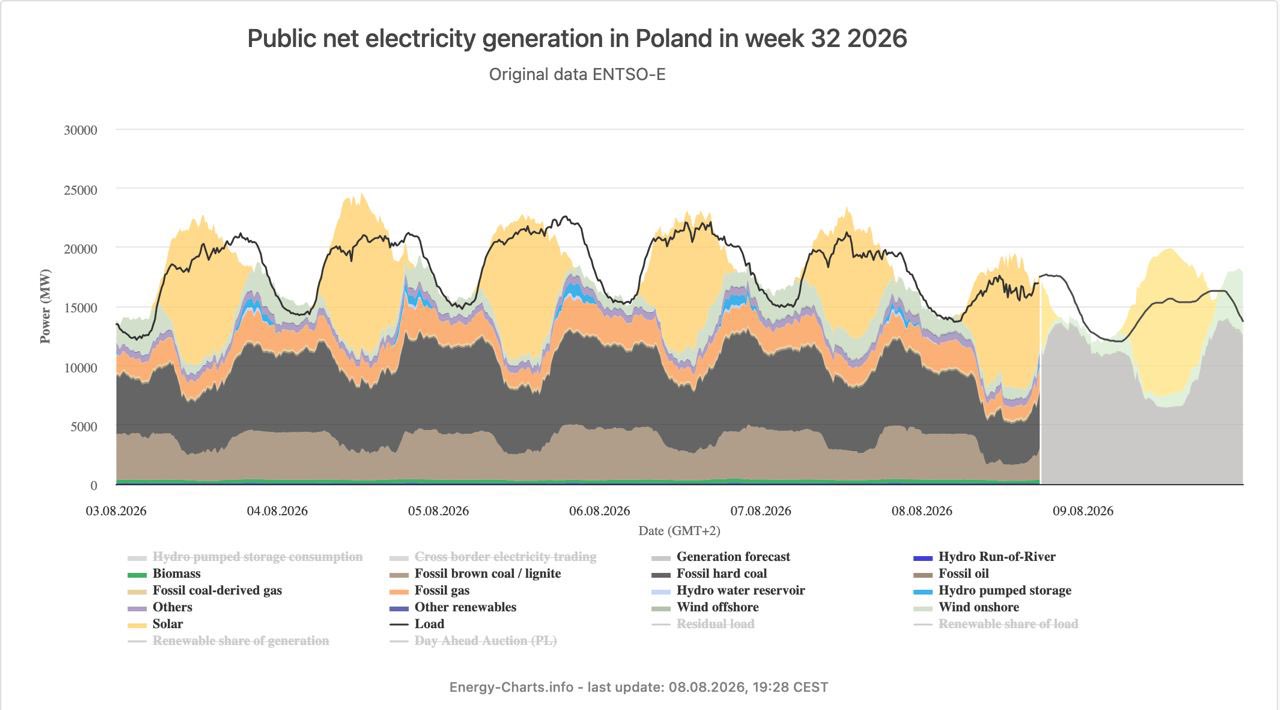 Jakub Wiech (@jakubwiech) on XPostawmy sprawę jasno: to źródła odnawialne ratowały nam skórę podczas fali upałów. W mijającym tygodniu dzięki transformacji energetycznej uniknęliśmy powtórki z sierpnia 2015 r., czyli ograniczania dostaw energii dla odbiorców. Dzięki - przede wszystkim - fotowoltaiceTwitter
 wielkabertaOsobistość1piorunów
@festiwal_otwartego_parasola Mam wrażenie, że cała narracja o elektrowniach wiatrowych została źle sprzedana. Miałem wrażenie, że to jest sprzedawane jako produkt rodem z baśni, a to jest po prostu jedno z rozwiązań mających wady i zalety.
Ogólnie wokół tego powstało wokół tego dużo https://en.wikipedia.org/wiki/Fear,_uncertainty,_and_doubt
I głównie ta tępa część konserwy, bo tak Czarnka należy nazwać, trywializuje to zagadnienie, tak samo nie jestem przekonany do drugiej strony polityki, która wszystkiego nam nie powiedziała.
I teraz szkoda mi Pana Wiecha, bo on wyręcza klasę polityczną i tłumaczy za nich. Ha tfu na polityków.
Fear, uncertainty, and doubtFear, uncertainty, and doubt (FUD) is a manipulative propaganda tactic used in technology sales, marketing, public relations, politics, polling, and cults. FUD is generally a strategy to influence perception by disseminating negative and dubious or false information and is a manifestation of the appeal to fear. Origin The phrase "fear, uncertainty, and doubt" was used in the 1920s. A similar phrase "fear, uncertainty, and disinformation" is also used. By 1975, "FUD" was appearing in contexts of marketing, sales, and in public relations: One of the messages dealt with is FUD—the fear, uncertainty and doubt on the part of customer and sales person alike that stifles the approach and greeting. FUD was used with its common current technology-related meaning by Gene Amdahl in 1975, after he left...Wikipedia

 100mphLider
 FurtoGruba ryba

 sireplamaGURU
 Komenda_Miejska_PolucjiInspirator

 FoxAutorytet
 Banan11Fanatyk
 wielbuontGruba ryba
 suseuLider
 efcekaOsobistość
 DzejZiOsobistość
 PaczamTylkoGruba ryba
 OpornikGURU
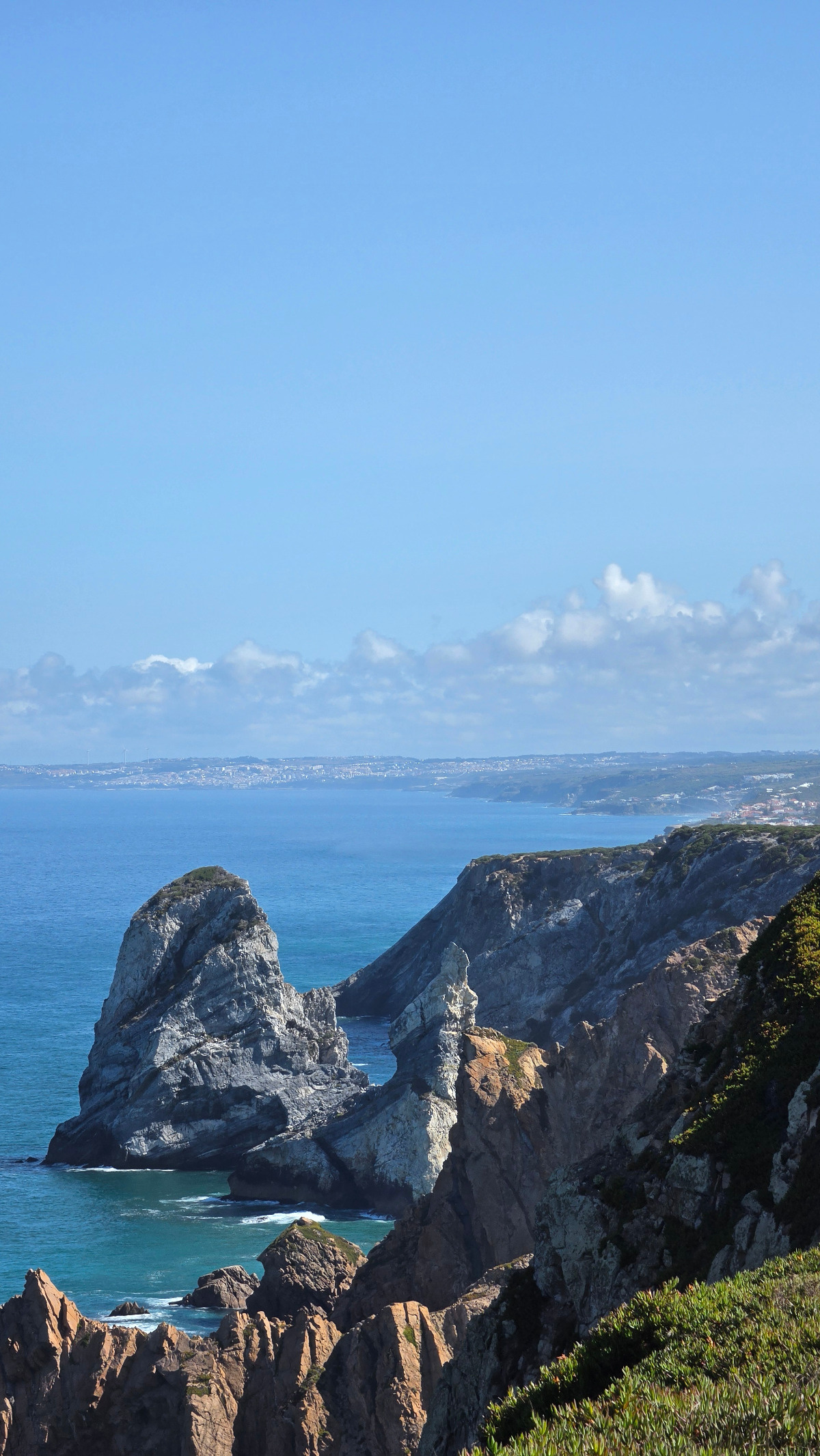
 FenAutorytet
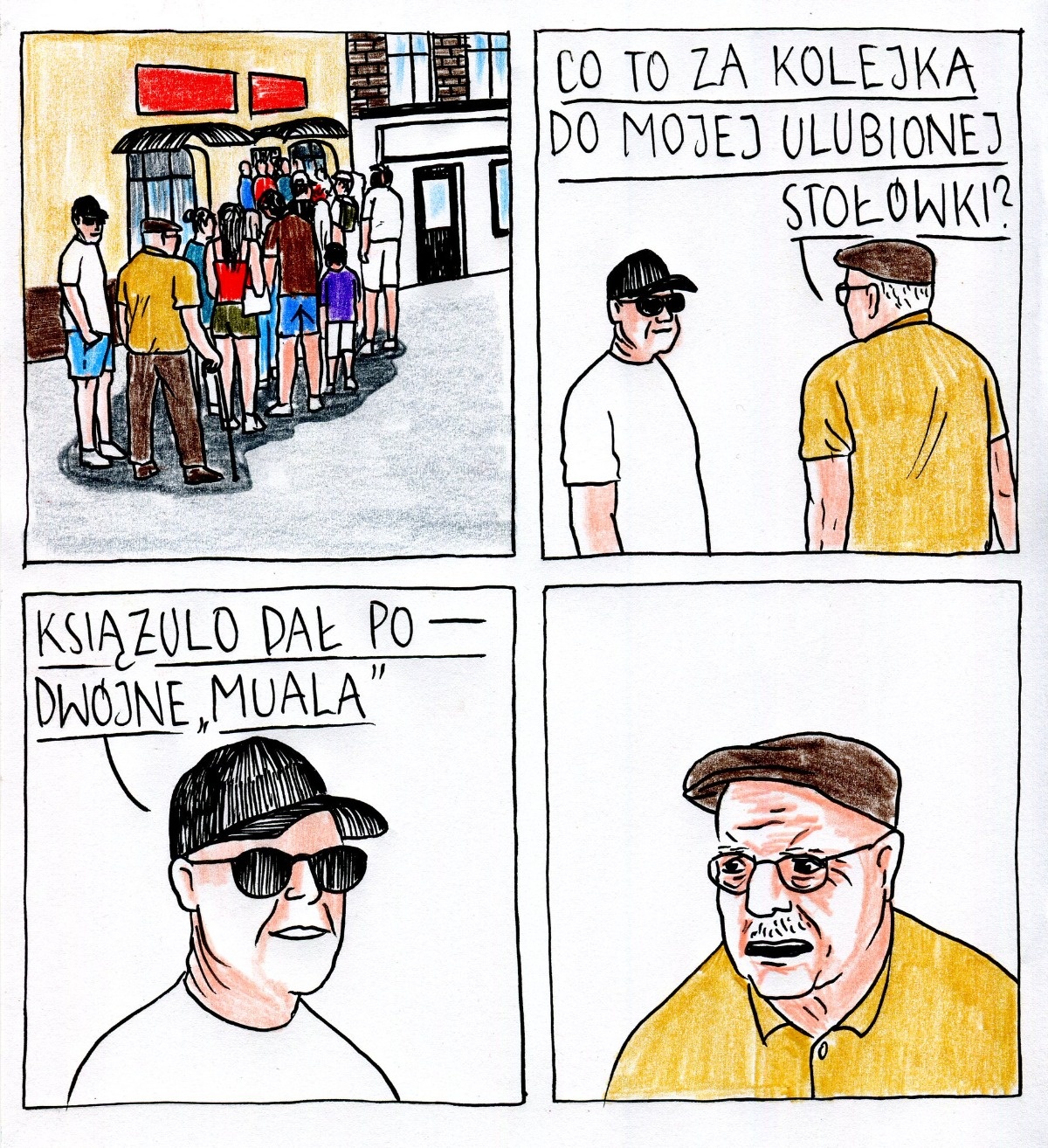
 AfterlifeAutorytet

 Felonious_GruLider
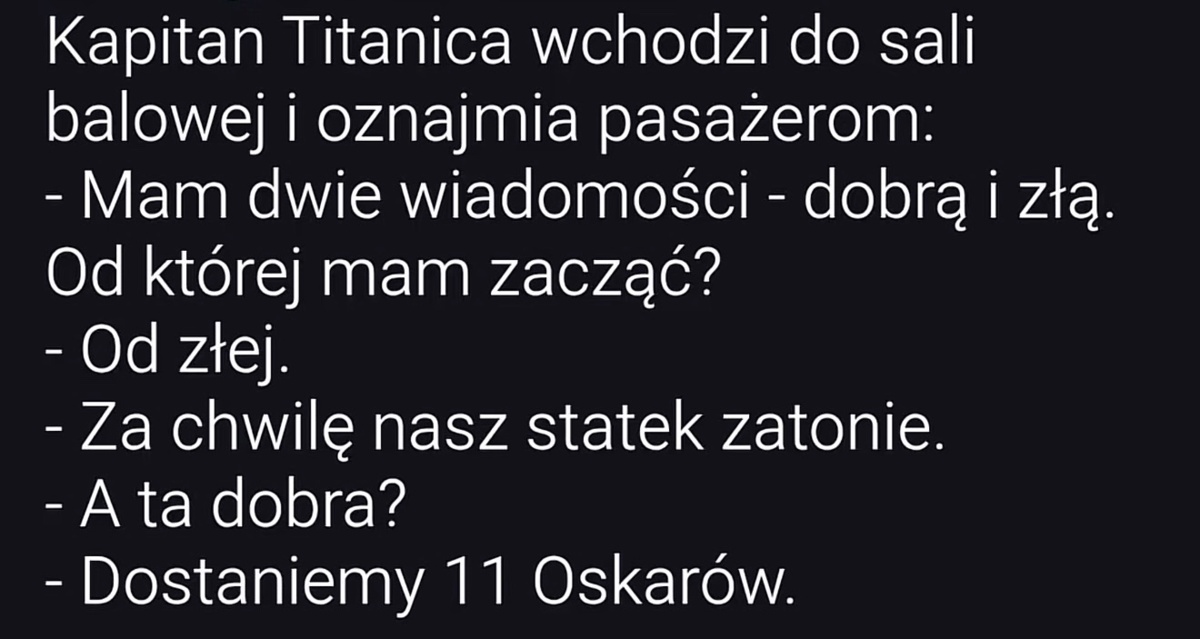
 Yes_ManLider


 vredoGURU
 BoJaProszePaniMamTuPrimaSortaGruba ryba
 DyGInspirator
 ZjedzonFenomen


 SolarOsobistość
 ArkilFenomen
 ZuorionTytan