%22%2F%3E%3Ctext%20x%3D%2250%22%20y%3D%2250%22%20dy%3D%220.35em%22%20text-anchor%3D%22middle%22%20font-family%3D%22system-ui%2Csans-serif%22%20font-size%3D%2248%22%20font-weight%3D%22700%22%20fill%3D%22hsl(24%2060%25%2092%25)%22%3EK%3C%2Ftext%3E%3C%2Fsvg%3E)
%22%2F%3E%3Ctext%20x%3D%2250%22%20y%3D%2250%22%20dy%3D%220.35em%22%20text-anchor%3D%22middle%22%20font-family%3D%22system-ui%2Csans-serif%22%20font-size%3D%2248%22%20font-weight%3D%22700%22%20fill%3D%22hsl(280%2060%25%2092%25)%22%3EB%3C%2Ftext%3E%3C%2Fsvg%3E)
%22%2F%3E%3Ctext%20x%3D%2250%22%20y%3D%2250%22%20dy%3D%220.35em%22%20text-anchor%3D%22middle%22%20font-family%3D%22system-ui%2Csans-serif%22%20font-size%3D%2248%22%20font-weight%3D%22700%22%20fill%3D%22hsl(150%2060%25%2092%25)%22%3EL%3C%2Ftext%3E%3C%2Fsvg%3E)
%22%2F%3E%3Ctext%20x%3D%2250%22%20y%3D%2250%22%20dy%3D%220.35em%22%20text-anchor%3D%22middle%22%20font-family%3D%22system-ui%2Csans-serif%22%20font-size%3D%2248%22%20font-weight%3D%22700%22%20fill%3D%22hsl(45%2060%25%2092%25)%22%3EG%3C%2Ftext%3E%3C%2Fsvg%3E)
%22%2F%3E%3Ctext%20x%3D%2250%22%20y%3D%2250%22%20dy%3D%220.35em%22%20text-anchor%3D%22middle%22%20font-family%3D%22system-ui%2Csans-serif%22%20font-size%3D%2248%22%20font-weight%3D%22700%22%20fill%3D%22hsl(210%2060%25%2092%25)%22%3ED%3C%2Ftext%3E%3C%2Fsvg%3E)

DeykunLider
7piorunów

DeykunLider
7piorunówDeykunLider
16piorunówPierwsze README #git napisane przez #linustorvalds w 2005. W następnym commicie który dotyka tego pliku obok zmienił .dircache/index -> .git/index.
GIT - the stupid content tracker
"git" can mean anything, depending on your mood.
- random three-letter combination that is pronounceable, and not
actually used by any common UNIX command. **The fact that it is a
mispronounciation of "get" may or may not be relevant.**
- stupid. contemptible and despicable. simple. Take your pick from the
dictionary of slang.
- "global information tracker": you're in a good mood, and it actually
works for you. Angels sing, and a light suddenly fills the room.
- "goddamn idiotic truckload of sh*t": when it breaks
This is a stupid (but extremely fast) directory content manager. It
doesn't do a whole lot, but what it does do is track directory
contents efficiently.
There are two object abstractions: the "object database", and the
"current directory cache".
The Object Database (SHA1_FILE_DIRECTORY)
The object database is literally just a content-addressable collection
of objects. All objects are named by their content, which is
approximated by the SHA1 hash of the object itself. Objects may refer
to other objects (by referencing their SHA1 hash), and so you can build
up a hierarchy of objects.
There are several kinds of objects in the content-addressable collection
database. They are all in deflated with zlib, and start off with a tag
of their type, and size information about the data. The SHA1 hash is
always the hash of the compressed object, not the original one.
In particular, the consistency of an object can always be tested
independently of the contents or the type of the object: all objects can
be validated by verifying that (a) their hashes match the content of the
file and (b) the object successfully inflates to a stream of bytes that
forms a sequence of + + <ascii decimal
size> + <byte\\0> + .
BLOB: A "blob" object is nothing but a binary blob of data, and doesn't
refer to anything else. There is no signature or any other verification
of the data, so while the object is consistent (it is indexed by its
sha1 hash, so the data itself is certainly correct), it has absolutely
no other attributes. No name associations, no permissions. It is
purely a blob of data (ie normally "file contents").
TREE: The next hierarchical object type is the "tree" object. A tree
object is a list of permission/name/blob data, sorted by name. In other
words the tree object is uniquely determined by the set contents, and so
two separate but identical trees will always share the exact same
object.
Again, a "tree" object is just a pure data abstraction: it has no
history, no signatures, no verification of validity, except that the
contents are again protected by the hash itself. So you can trust the
contents of a tree, the same way you can trust the contents of a blob,
but you don't know where those contents came from.
Side note on trees: since a "tree" object is a sorted list of
"filename+content", you can create a diff between two trees without
actually having to unpack two trees. Just ignore all common parts, and
your diff will look right. In other words, you can effectively (and
efficiently) tell the difference between any two random trees by O(n)
where "n" is the size of the difference, rather than the size of the
tree.
Side note 2 on trees: since the name of a "blob" depends entirely and
exclusively on its contents (ie there are no names or permissions
involved), you can see trivial renames or permission changes by noticing
that the blob stayed the same. However, renames with data changes need
a smarter "diff" implementation.
CHANGESET: The "changeset" object is an object that introduces the
notion of history into the picture. In contrast to the other objects,
it doesn't just describe the physical state of a tree, it describes how
we got there, and why.
A "changeset" is defined by the tree-object that it results in, the
parent changesets (zero, one or more) that led up to that point, and a
comment on what happened. Again, a changeset is not trusted per se:
the contents are well-defined and "safe" due to the cryptographically
strong signatures at all levels, but there is no reason to believe that
the tree is "good" or that the merge information makes sense. The
parents do not have to actually have any relationship with the result,
for example.
Note on changesets: unlike real SCM's, changesets do not contain rename
information or file mode chane information. All of that is implicit in
the trees involved (the result tree, and the result trees of the
parents), and describing that makes no sense in this idiotic file
manager.
TRUST: The notion of "trust" is really outside the scope of "git", but
it's worth noting a few things. First off, since everything is hashed
with SHA1, you can trust that an object is intact and has not been
messed with by external sources. So the name of an object uniquely
identifies a known state - just not a state that you may want to trust.
Furthermore, since the SHA1 signature of a changeset refers to the
SHA1 signatures of the tree it is associated with and the signatures
of the parent, a single named changeset specifies uniquely a whole
set of history, with full contents. You can't later fake any step of
the way once you have the name of a changeset.
So to introduce some real trust in the system, the only thing you need
to do is to digitally sign just one special note, which includes the
name of a top-level changeset. Your digital signature shows others that
you trust that changeset, and the immutability of the history of
changesets tells others that they can trust the whole history.
In other words, you can easily validate a whole archive by just sending
out a single email that tells the people the name (SHA1 hash) of the top
changeset, and digitally sign that email using something like GPG/PGP.
In particular, you can also have a separate archive of "trust points" or
tags, which document your (and other peoples) trust. You may, of
course, archive these "certificates of trust" using "git" itself, but
it's not something "git" does for you.
Another way of saying the same thing: "git" itself only handles content
integrity, the trust has to come from outside.
Current Directory Cache (".dircache/index")
The "current directory cache" is a simple binary file, which contains an
efficient representation of a virtual directory content at some random
time. It does so by a simple array that associates a set of names,
dates, permissions and content (aka "blob") objects together. The cache
is always kept ordered by name, and names are unique at any point in
time, but the cache has no long-term meaning, and can be partially
updated at any time.
In particular, the "current directory cache" certainly does not need to
be consistent with the current directory contents, but it has two very
important attributes:
(a) it can re-generate the full state it caches (not just the directory
structure: through the "blob" object it can regenerate the data too)
As a special case, there is a clear and unambiguous one-way mapping
from a current directory cache to a "tree object", which can be
efficiently created from just the current directory cache without
actually looking at any other data. So a directory cache at any
one time uniquely specifies one and only one "tree" object (but
has additional data to make it easy to match up that tree object
with what has happened in the directory)
and
(b) it has efficient methods for finding inconsistencies between that
cached state ("tree object waiting to be instantiated") and the
current state.
Those are the two ONLY things that the directory cache does. It's a
cache, and the normal operation is to re-generate it completely from a
known tree object, or update/compare it with a live tree that is being
developed. If you blow the directory cache away entirely, you haven't
lost any information as long as you have the name of the tree that it
described.
(But directory caches can also have real information in them: in
particular, they can have the representation of an intermediate tree
that has not yet been instantiated. So they do have meaning and usage
outside of caching - in one sense you can think of the current directory
cache as being the "work in progress" towards a tree commit).
DeykunLider
4piorunówKeynote: Linus Torvalds in Conversation with Dirk Hohndel

DeykunLider
8piorunówhttps://github.com/torvalds/AudioNoise
Repo Linusa Torvalds w którym pisze, że jest wywajbkodowane.
Also note that the python visualizer tool has been basically written by vibe-coding. I know more about analog filters -- and that's not saying much -- than I do about python. It started out as my typical "google and do the monkey-see-monkey-do" kind of programming, but then I cut out the middle-man -- me -- and just used Google Antigravity to do the audio sample visualizer.
 koszotoroburFanatyk3piorunów
@Deykun - ale to jest jego hobby projekt.
To tego cieszę się że nie zdział i potrafi używać współczesnej technologii.

kontrabandaOsobistość
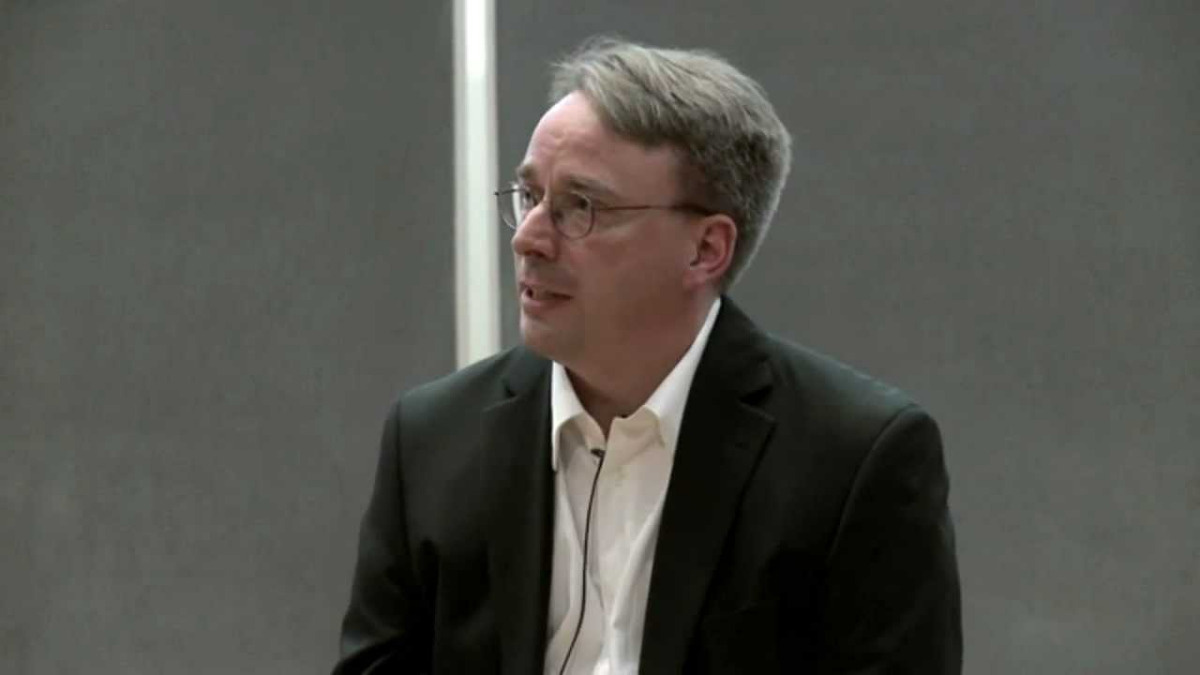
136piorunów#kartkazkalendarza – 28/12 Tego dnia swoje 56. urodziny świętuje Linus Torvalds – twórca Linuxa, który miał być tylko „projektem hobbystycznym” i „nie być tak dużym i profesjonalnym jak GNU”. Okazało się jednak, że systemy operacyjne oparte o Linuxa stanowią trzecią najpopularniejszą – zaraz po

HajtGruba ryba
3piorunów
HajtGruba ryba
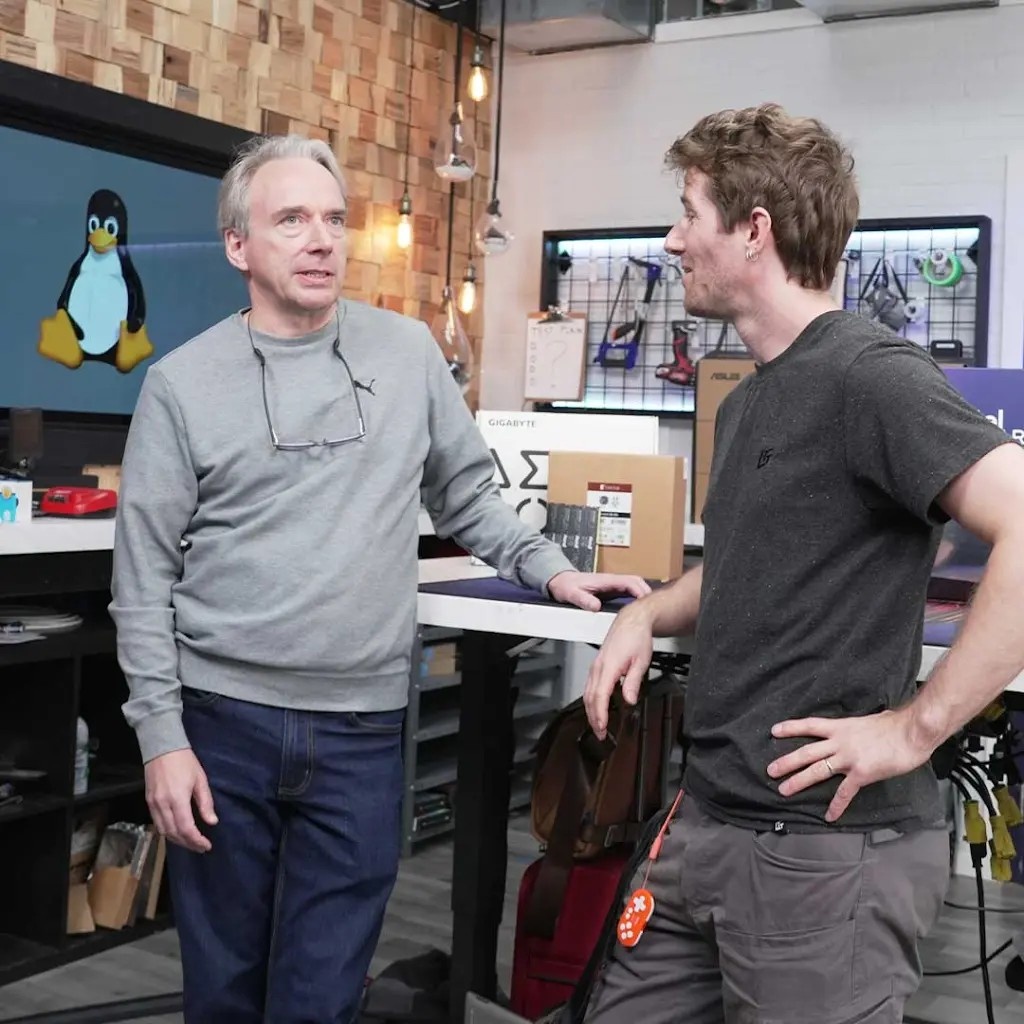
14piorunówLinus i Linus, niedługo bedzie jakis collab na youtubie LinusTechTips
 NiebieskiSzpadelNihilizmuLider1piorunów
Bardzo chętnie obejrzę 😊 Jeszcze jakby The OG Linus zaczął WAN Show to by było złoto
 zomersFanatyk2piorunów
@NiebieskiSzpadelNihilizmu nope, już był WAN Show po i tylko o tym rozmawiali. Ale mają w planach Gabena xD
 owczareknietrzymryjskiMistrz4piorunów
@Hajt cos miało być. Mieli mu zrobić komputer czy jakoś tak.
zomersFanatyk1piorunów@owczareknietrzymryjski tak, zaraz po walce na miecze, jak w Hilanderze :grinning:
DeykunLider
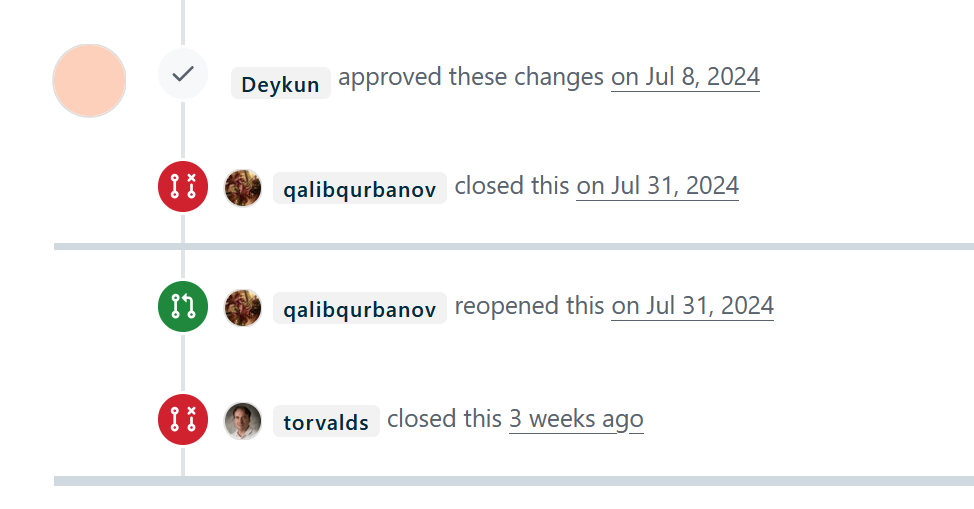
40piorunówMój wkład w tworzenie rozwiązań open source I interakcja z twórcą Linuxa. dx
 CatharsisOsobistość0piorunów
@Deykun Przynajmniej nie pokazał faka, mogło być gorzej xDD
 Legendary_WeaponsmithOsobistość2piorunów
To jakby papież na ciebie spojrzał. Może z lekkim obrzydzeniem, ale to i tak więcej niż większość z nas kiedykolwiek doświadczy
DeykunLider
69piorunów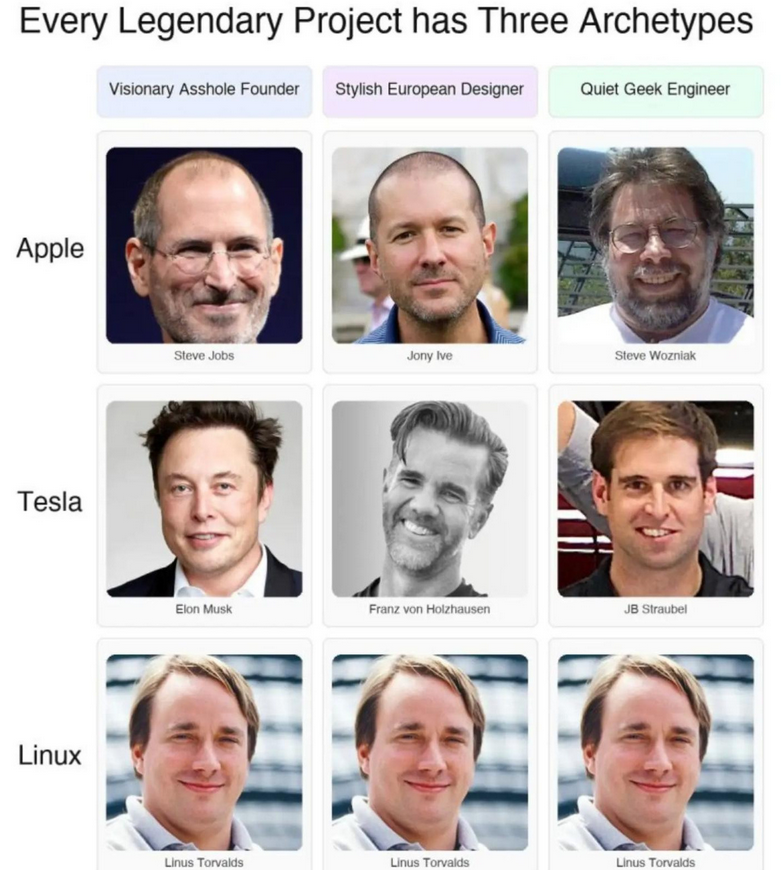
 ErwinoRommeloGURU21piorunów
Wozniak to typ ze zlota, dobrze ze szybko sprzedal akcje i sie odciol od tej toksycznej k⁎⁎wy
 GreymanFenomen0piorunów
@Deykun za mocne, prrychnąłem
DeykunLider
9piorunówLinus Torvalds Rejects LTTng Upstreaming Request
https://youtu.be/FvEsxg5kW0c

DeykunLider
12piorunów#git #linustorvalds #programowanie #github
Two decades of Git: A conversation with creator Linus Torvalds
https://youtu.be/sCr_gb8rdEI

 dotevoKosmonauta0piorunów
Gdyby mi ktoś powiedział 16 lat temu, że będzie tak popularny to chyba bym nie uwierzył. Pamiętam jak ja trzymałem programy na studia w git a inni w svnach i cvsach
DeykunLider
16piorunów
 groman43Osobistość5piorunów
Szczerze, uważam że IT potrzebuje więcej takich ludzi jak Linus. Czasem mam wrażenie, że 95% branży to stado płatków śniegu, którzy potrafią się obrazić po code review.
 pierdonauta_kosmolonyGruba ryba2piorunów
@groman43
Aha, za to ja się zwykle spotykałem z code review który był walką o pierdolety, nijak nie mającą się ani do poprawności, ani do wydajności, ani do czytelności. No ale coś trzeba przecież zgłosić a próba zrozumienia czyjegoś kodu wymagałaby wysiłku.
groman43Osobistość1piorunów@pierdonauta_kosmolony Ja również widziałem kłótnie o nazwy zmiennych oraz porównywanie długości penisów. Kluczem jest balans oraz jasne zasady. Dodatkowo, zwykle pomaga jeśli reviewerów jest dwóch.
pierdonauta_kosmolonyGruba ryba1piorunów@groman43
Szermierka na siurki to ulubiona biurowa gra w IT.
 666Osobistość3piorunów
Ten czlowiek powinien dostac nobla. Napisal linuxa i git'a. Jestem bardzo ciekawy jakby wygladal swiat bez linuxa. Czy znalazlby sie ktos kto napisalby cos lepszego? Moze IBM albo SUN w czasach swojej swietnosci?
pierdonauta_kosmolonyGruba ryba2piorunów@666
Znalazłby się.
Sukces Linuxa to następujące czynniki:
* darmowy otwarty kod
* mariaż ze Stallmanem i "zaciągnięcie" do Linuxa dorobku GNU
* implementacja w jądrze kompletnej obsługi stosów sieciowych w dobie rozkręcania się biznesów internetowych.

radek-piotr-krasnyFanatyk
7piorunówDeykunLider
3piorunów Dzemik_SkrytozercaGruba ryba0piorunów
Dla nieposiadających konta na GitHubie: komentarze Linusa Torvaldsa zawierające słowo "fuck".
CatharsisOsobistość1piorunów@Dzemik_Skrytozerca To nie są komentarze samego Linusa tylko wszystkich maintainerów. Jako, że to jest GIT to można łatwo sprawdzić kto jest autorem każdej linijki. Btw niektóre te komentarze mają po 20 lat xD.
Dzemik_SkrytozercaGruba ryba0piorunówFakt. Nie sprawdziłem kto.

damwGURU
35piorunówJakiś tydzień temu trafiłem na info, że Linus Torvalds (twórca i główny opiekun #linux )
>w prywatnej korespondencji zapowiedział, że zaakceptuje kod napisany w Rust, nawet pomimo sprzeciwu opiekunów. Zaskakująca zmiana stanowiska może otworzyć drogę do poważnych reform w strukturze jądra systemu, ale jednocześnie rodzi pytania o przyszłość społeczności rozwijającej system.
Było to o tyle dziwne, że
>jeszcze niedawno Torvalds publicznie opowiadał się przeciwko wdrażaniu języka Rust do jądra Linuxa, podkreślając, że system działa znakomicie w C i nie ma potrzeby wprowadzania tak radykalnych zmian. Jego komentarze były surowe i jasno wskazywały na brak akceptacji dla nowego języka w tak kluczowym komponencie oprogramowania.
Jądra systemu napisanego jedynie w języku C bronił jeden z głownych opiekunów Christoph Hellwig:
>Hellwig, nie kryjąc oburzenia, po raz kolejny porównał Rust do "nowotworu", który może zagrozić stabilności jądra Linuxa. Podkreśla, że dodanie wsparcia dla innego języka może prowadzić do chaosu i fragmentacji kodu. „Nieustanna rotacja pomiędzy różnych językami to największy koszmar każdego administratora kodu” – stwierdził Hellwig.
https://ithardware.pl/aktualnosci/linus_torvalds_rust_i-39142.html
No i dzisiaj pojawia się nowe info:
>Christoph Hellwig, jeden z kluczowych opiekunów jądra systemu, który znany jest ze swojego zdecydowanego sprzeciwu wobec implementacji języka Rust w jądrze Linuksa, zrezygnował z funkcji opiekuna odpowiedzialnego za dma-mapping.
>
>Christoph Hellwig od lat jawnie krytykował wprowadzanie Rusta do kodu jądra Linuksa, nazywając go „rakiem” i podkreślając, że jego obecność rozprzestrzenia się jak „przerzuty” po całym systemie. Hellwig, zagorzały zwolennik języka C, uważał, że to właśnie C zapewnia większą stabilność i bezpieczeństwo kodu. Jego decyzja o rezygnacji z części obowiązków przyszła niespełna tydzień po tym, jak ujawnił treść prywatnej korespondencji z Torvaldsem, w której twórca Linuxa wyraził swoje zaskakujące poparcie dla języka Rust.
Co będzie dalej z Christophem?
>Choć Hellwig zrzekł się części swoich obowiązków, nadal pozostaje aktywny w społeczności Linuxa. Wciąż pełni funkcje opiekuna sterownika NVMe oraz sekcji FreeVXFS. Jego odejście z obszaru mapowania DMA oznacza jednak, że Marek Szyprowski, drugi opiekun tej sekcji, będzie musiał samodzielnie przejąć pełną odpowiedzialność za ten kluczowy element infrastruktury Linuxa.
https://ithardware.pl/aktualnosci/fanatyk_kodu_c_rust_linux-39337.html
 baklazanTytan2piorunów
@damw Z kronikarskiego obowiązku: Cała drama zaczęła się od tego posta
https://lore.kernel.org/rust-for-linux/20250108135951.GA18074@lst.de/
 markxvyarovKosmonauta5piorunów
@damw Hellwig, nie porównywał Rust do "nowotworu"
>And I also do not want another maintainer. If you want to make Linux
>impossible to maintain due to a cross-language codebase do that in
>your driver so that you have to do it instead of spreading this
>cancer
>to core subsystems. (where this cancer explicitly is a cross-
>language
>codebase and not rust itself, just to escape the flameware brigade).
Dziennikarstwo na które zasłużyliśmy.
baklazanTytan2piorunów@markxvyarov Dowód na to, że możesz coś napisać, doprecyzować, ale ludzie i tak zrozumieją to tak jak im w danej chwili wygodnie.
DeykunLider
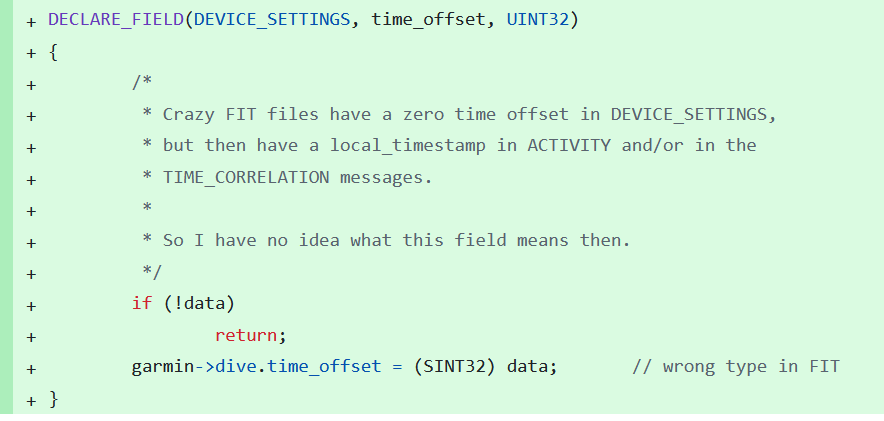
8piorunówLinus Torvalds rzucił ostatnio MR. I w sumie dobre komentarze w kodzie.
https://github.com/subsurface/libdc/pull/69

 maximiliananMistrz1piorunów
@Deykun szanuję. Coś jak "nie wiem co robi ten fragment kodu, ale bez niego program nie działa"
 DeykunLider5piorunów
@maximilianan imho właśnie nie tak jak piszesz, bo to dobre podsumowanie tego do czego on sam doszedł i to dobry start dla kolejnej osoby.
koszotoroburFanatyk4piorunów@Deykun - na GitHubie są PR 🤷
DeykunLider
92piorunówDate: 25 Aug 91 20:57:08 GMT

 REXusSum18piorunów
Post, który zmienił świat.
CatharsisOsobistość27piorunów@Deykun Jako ciekawostkę dodam w podobnym klimacie jeszcze starszego maila:
DeykunLider
12piorunówLinus Torvalds on why desktop Linux sucks - DebConf 14
https://youtu.be/Pzl1B7nB9Kc
 Dzemik_SkrytozercaGruba ryba2piorunów
Nie zestarzało się, ale mamy już technologie, które to obchodza.
Snap, flatpak, appimage. Każda zapewnia kompletne środowisko dla aplikacji. To kosztuje, ale ponosząc takie koszty mamy względna stabilność .
dotevoKosmonauta1piorunów@Dzemik_Skrytozerca flatpak jest spoko, ale działa tylko dla aplikacji GUI - nie jest kompatybilny z CLI. Snap tutaj jest lepszy, ale za to to mocno powiązany z Canonicalem i przez to scentralizowany. Appimage wydaje się być lepszą alternatywą, ale za to już przestarzałą bo musisz mieć narzędzia do aktualizacji "pakietów". Nie wiem czemu ale mam wrażenie, że to nadal nie są technologie, które zrobiłyby przełom i cały czas czekamy na alternatywę.
Warto popatrzyć jak zrobił to Google z Androidem. Jest apk, które jest podpisane cyfrowo więc ściągając z dowolnego miejsca można sprawdzić autentyczność. System zapewnia warstwę abstrakcji w taki sposób, że aplikacja napisana na androida 8 nadal będzie działać na najnowszym. Oczywiście to przez to, że Android ładuje w bootstrap pliki jar, które potrafią zapewnić bezpieczeństwo systemu - co w obecnym GNU/Linux nigdy nie było nawet rozważane. Nawet system obecnie zaczyna przechodzić na APEX, który ma jeszcze poprawić bezpieczeństwo oraz możliwość aktualizacji komponentów.
Szczerze? Mam wrażenie, że gdyby środowisko linuksowe pogodziło się z tym, że niektóre rzeczy wymagają zaorania i napisania od nowa to większość problemów dałoby się rozwiązać. Tyle, że to wymaga sporo pracy i chyba najlepiej byłoby skopiować rozwiązania za AOSP tak aby pasowały do desktopowych rozwiązań.
Dzemik_SkrytozercaGruba ryba0piorunówTylko Linux foundation, Google, Canonical, RedHat i Suse są dość duże by zainwestować w odpowiedni development - bo nie ukrywajmy, coś takiego kosztuje i to sporo.
No niestety, poza Canonical nie widzę nikogo, kto coś robi w tym zakresie systemowo. A Canonical średnio się stara.
radek-piotr-krasnyFanatyk
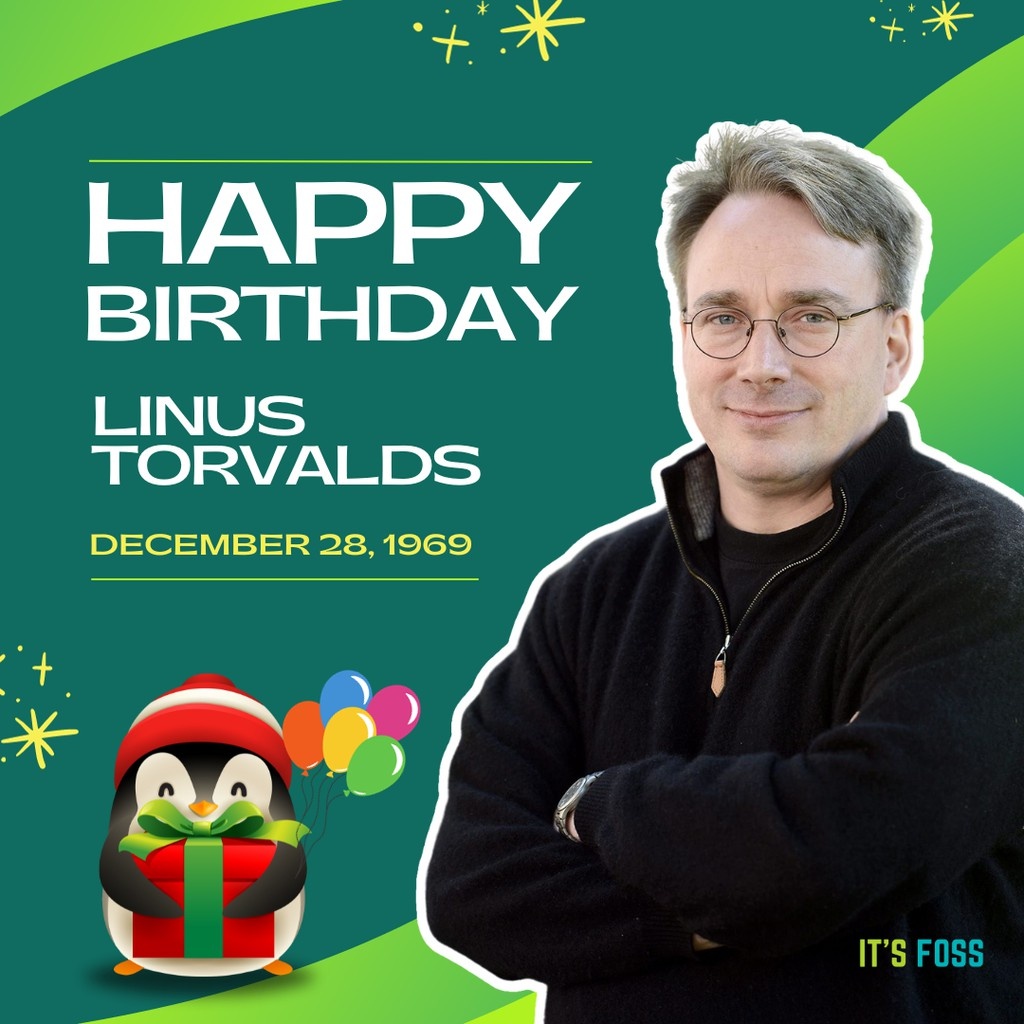
25piorunówNajlepszego
#linustorvalds
 koszotoroburFanatyk2piorunów
@radek-piotr-krasny - to ten gość od gita? :stuck_out_tongue_winking_eye:
jeikobu__Sum1piorunów@koszotorobur nie, to ten koleś od Subsurface
bobseMocarz2piorunówLewacy zrobili mu pranie mózgu. Smutne w c⁎⁎j.
KulturalnyLosPederastaOsobistość
6piorunówEh.
Właśnie instaluje dobremu koledze najnowszego mintaja.
Chop ma coś w okolicach 65 na budziku xd
ZygoteNeverbornAutorytet1piorunów@KulturalnyLosPederasta Ale masz kolegów...
KulturalnyLosPederastaOsobistość0piorunów@ZygoteNeverborn mówisz o tym zboczeńcu z hejto czy o moim ziomku co ogarnia mintaja?
ZygoteNeverbornAutorytet1piorunów@KulturalnyLosPederasta O obu.
KulturalnyLosPederastaOsobistość0piorunów@ZygoteNeverborn eeetam. Szanuję ludzi którzy w takim wieku garną się do komputerów i poszerzają swoją wiedzę.
ZygoteNeverbornAutorytet1piorunów@KulturalnyLosPederasta Ja w wieku 65 lat będę rozszerzał wiedzę o wiadomości związane z rozkładem zwłok i miejscami ich kompostowania. Znacznie bardziej przydatne. Oszczędzę bliskim sporo zachodu.
KulturalnyLosPederastaOsobistość1piorunów@ZygoteNeverborn widzę że mamy równie chujowe poczucie humoru i podejście do życia xDDDDD
jotoslawTytan0piorunówA jak to sobie radzi z obsługą kilku ekranów jednocześnie na różnych wyjściach video? 2 karty graficzne w lapku, Intel Integra i low-force 1050
KulturalnyLosPederastaOsobistość0piorunów@jotoslaw low force to cue ruchał. elo.!!!1112:pig::pig::pig::pig:
jotoslawTytan0piorunów@KulturalnyLosPederasta kulturalnie się zapytałem czy mintaj obsłuży rozszerzony pulpit na dwóch lub więcej wyświetlaczach (wyjście HDMI + mini DP) 1szy to tv 4k HDR (domyślny do wyświetlania aplikacji pełnoekranowych), 2gi to monitor Full HD, a lapek to bieda edyszion wyntel 4 rdzenie z ht, 16gb ram, 2 X SSD i grafika low-force 1050 z 4GB RAM
KulturalnyLosPederastaOsobistość0piorunów@jotoslaw tak